Guide
The Best Colors for Olive Skin
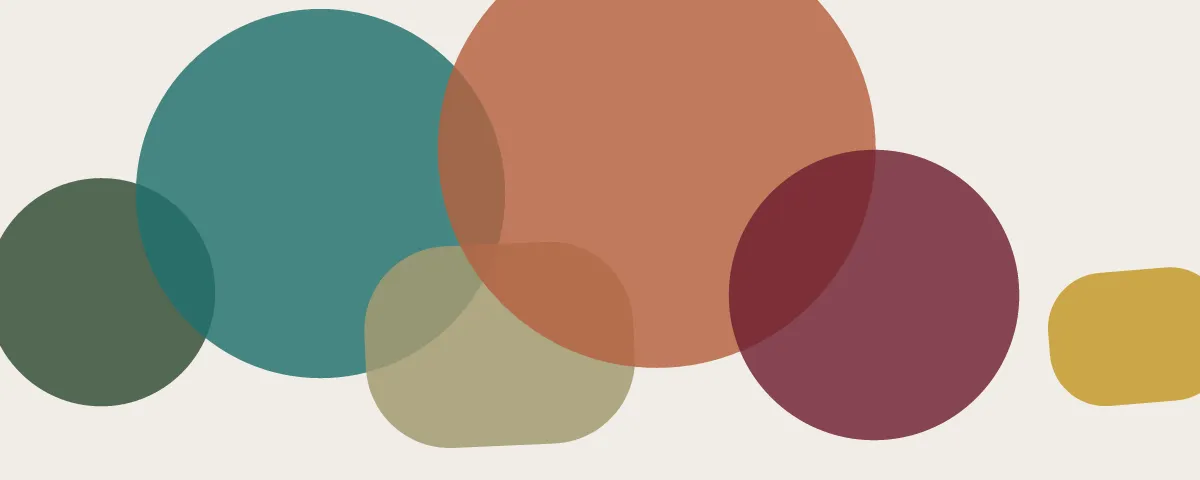
The best colors for olive skin are earthy and jewel-toned: forest green, teal, aubergine, burgundy, terracotta, mustard and khaki, with off-white instead of stark white. These shades share the muted, slightly green quality already in your skin. Pastel yellow, mint, lilac and neon colors tend to make olive skin look sallow or grey. Below are swatches, metals, makeup and the seasons worth testing.
What olive skin is
Olive is an undertone, not a skin depth. It describes a green, grey-green or khaki note that sits alongside warm or cool tones in the skin. You find it from light olive to deep brown, across many backgrounds.
Common signs:
- Next to white paper in daylight, your bare skin looks greenish, khaki or grey-beige rather than clearly pink or gold.
- Both bright white and yellow cream make you look a little grey.
- Foundation shades marked warm look orange on you, and cool shades look pink.
- You tan deeply, often to bronze or a greenish brown.
If several of these fit, take the undertone test. An olive result there links to a page with matching colors, metals and foundation labels.
Best colors for olive skin
Think of a forest, a spice market or an old oil painting. Colors with some depth and a slightly muted edge flatter you more than clean, sugary brights.
Greens and blues
Green is your strongest family, because it works with the green note in your skin rather than against it.
- Forest Green#2F4A33
- Teal#1F6F6B
- Khaki#A39A72
- Peacock#1E5F63
- Sage Green#A4AB8A
- Petrol Blue#2E5A63
Try a teal knit with khaki chinos, or a forest green dress with a cognac belt.
Reds, purples and warm earth tones
Deep reds and plums add warmth to olive skin without turning it orange.
- Burgundy#6E1F2E
- Aubergine#3A1D3F
- Terracotta#B5603F
- Rosewood#B88378
- Mustard#C49A2C
- Cranberry#87283A
Mustard is the one yellow most olive skin can wear, because it is deep and slightly muted. Wear it with navy or chocolate to keep it grounded.
Neutrals
Replace bright white with off-white (#EEE9DD), and swap black for chocolate, charcoal or navy when you want something softer. Mushroom and taupe are reliable basics. Camel works best on warm olive; grey works best on cool olive.
Colors that make olive skin look sallow
Sallow means yellow-grey and tired. These shades tend to cause it on olive skin:
- Pastel yellow and lemon. They pick up the yellow in your skin and exaggerate it.
- Mint and pale lime. Light greens without depth can make your skin look greener rather than balanced.
- Lilac and baby pink. Cool, chalky pastels can make olive skin look grey.
- Neon orange, hot fuchsia and highlighter shades. These overpower the muted quality of olive skin.
- Mid-beige close to your skin. You lose definition between face and fabric.
If you love a pastel, choose a deeper, dustier version. Dusty rose in place of baby pink, or muted teal in place of mint, usually solves it.
Metals for olive skin
Muted and antique metals blend best. Antique gold, bronze, brushed brass and rose gold all suit olive skin. Very bright yellow gold can look brassy, and shiny silver can look cold, though cool olive skin often carries brushed silver or pewter well.
When in doubt, choose a brushed or matte finish over high polish. It echoes the softness in your skin.
Makeup for olive skin
Foundation
This is where olive skin struggles most. Many ranges build shades around pink, yellow and red undertones, so the green note goes unmatched. Look for shades named or labelled olive, sometimes marked O. Some brands fold olive into their neutral shades instead.
Swatch three shades on your jaw and check them by a window. The wrong shade looks orange, pink or ashy against your neck. The right one disappears. If no shade is quite right, mixing a neutral shade with a touch of a yellow one can get closer.
Blush, lips and eyes
Choose blush in terracotta, soft brick or dusty rose; very pale pink can sit on top of olive skin. For lips, brick, terracotta, rosewood and deep berry look natural. On the eyes, bronze, olive, plum and copper shadows bring out green and hazel eyes.
Outfit ideas for olive skin
Each idea uses a base, a second color and one accent near your face.
- Khaki trousers, an off-white shirt and a teal scarf.
- Chocolate knit, dark denim and an antique gold pendant.
- Burgundy blouse under a charcoal blazer, with bronze earrings.
- Forest green dress, a cognac belt and tan sandals.
- Mustard cardigan over a navy tee, with mushroom trousers.
- Aubergine sweater with petrol blue trousers and brown boots.
For a small capsule, start with three neutrals (off-white, khaki and chocolate), then add two greens and one red from the swatches. Almost everything will then mix.
Which seasons fit olive skin
Olive does not map neatly onto one color season, and analysts disagree on where it belongs. Some place most olive skin in the autumns. Others see it more often in the winters and soft seasons. Treat these as places to start testing:
- Soft Autumn if your coloring is light to medium and blended, with hazel or green eyes.
- Deep Autumn if you have warm-leaning olive skin and dark hair.
- Deep Winter if you have cool-leaning olive skin, dark hair and crisp contrast.
- Soft Summer if your olive skin reads cool and ashy, with mid-tone hair.
- Warm Autumn if gold and copper clearly beat silver.
The color analysis quiz weighs your skin, hair and eyes together. Check your runner-up season as well, since olive skin often sits close to a boundary.
Olive skin at different depths
Light olive skin often gets misread as neutral or warm. It suits sage, soft teal, rosewood and mushroom, more than very deep shades.
Medium olive skin carries the full palette above. Teal, terracotta and burgundy are usually the strongest picks.
Deep olive skin can wear the darkest greens and plums, plus mustard and brick. Our guide to dark skin colors covers deep skin across all undertones.
Frequently asked questions
It can be either. Olive is a green or grey-green note that sits alongside the main undertone, so you can have warm olive, cool olive or neutral olive skin. Warm olive leans toward gold and suits camel and mustard. Cool olive leans grey-blue and suits charcoal, pine and plum. Most olive skin sits somewhere in the middle.
Yes, but choose dusty, deeper pinks. Rosewood, dusty rose, raspberry and deep berry suit most olive skin. Pale baby pink and bright bubblegum pink tend to make olive skin look grey or sallow. If you want a lighter pink, pick one with a little brown or mauve in it rather than a clean, sugary shade.
Usually the shade is too pink or too light. Pink foundation sits on top of the green note in olive skin, and the contrast makes your skin look greener or greyer around the edges. Try shades labelled olive or neutral, test on your jaw in daylight, and check the match after ten minutes, once the formula has settled.
Yes. Olive describes the undertone, not how light you are, so you can be fair olive, medium olive or deep olive. Light olive skin is often mistaken for neutral, because the green note is subtle. Clues include looking grey in both pure white and cream, and foundations never quite matching, even when the depth looks right.
Keep reading
- Fair Skin: Undertones, Colors, Makeup, Hair and Sun CareWhat counts as fair skin, how to spot your undertone within it, and the clothes, makeup, hair colors and sun habits that suit each type.
- Skin Tone Chart: How to Read It and Find YourselfA skin tone chart with eight depths and four undertones, plus how to read the rows and columns and use your spot for clothes and foundation.
- Skin Colors: The Full Range and What Shapes YoursThe full range of human skin colors, the clearest words to describe them, why skin color varies, and how to dress for any of them.
- Color analysis quizFind your color season in 13 questions.
- Undertone testWarm, cool, neutral or olive.
- Face shape toolMeasure from a photo or by hand.